
Postpartum Thyroiditis: What Every New Mother Should Know
Postpartum thyroiditis affects up to 1 in 10 new mothers, and its symptoms overlap almost completely with ordinary postpartum exhaustion. Here's what actually distinguishes the two and when a simple TSH test is worth asking for.
Table of Contents
1. An Autoimmune Condition, Not Just Exhaustion
2. How Common This Actually Is
3. Why It Gets Missed So Often
4. The Hyperthyroid Phase
5. The Hypothyroid Phase
6. Who's Actually at Higher Risk
7. When to Actually Get Tested
8. What Might Help Prevent It
The Takeaway
FAQ's
Postpartum thyroiditis affects about one in ten new mothers, but most of them have never heard the term before they are diagnosed. Fatigue, mood swings and weight changes after childbirth are constantly dismissed as normal new-parent exhaustion. Sometimes that’s all it is. Sometimes it’s a genuinely treatable thyroid condition being missed entirely. This story explains exactly what distinguishes the two.
What Postpartum Thyroiditis Actually Is
1. Postpartum Thyroiditis Basics: An Autoimmune Condition, Not Just Exhaustion
Postpartum thyroiditis is a genuine autoimmune inflammation of the thyroid gland, occurring within a year after delivery in women who were previously euthyroid. It's not a metaphor for feeling overwhelmed. Lymphocytic infiltration disrupts hormone production directly, the same underlying process behind Hashimoto's thyroiditis, something this series covered separately in Hashimoto's Thyroiditis Diet: What to Know First.
2. Postpartum Thyroiditis: How Common This Actually Is
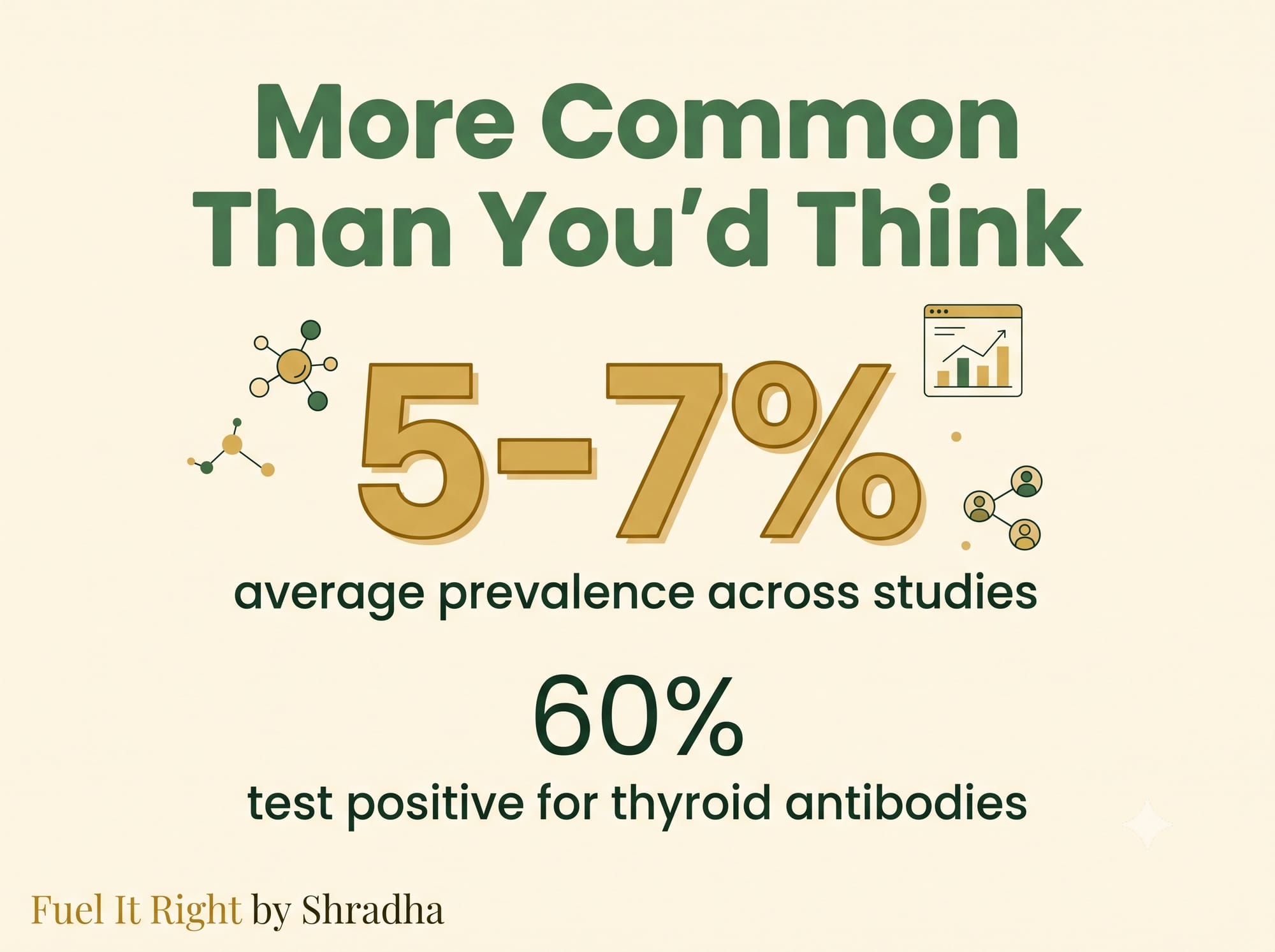
Prevalence estimates range widely from around 1% to 22% in different studies, with an average of about 5% to 7%. An Indian academic’s review found that it was under diagnosed despite clear autoimmune markers. 60% of affected women test positive for thyroid antibodies. This is not a rare condition being overhyped, it is a common one being under-recognised.
3. Postpartum Thyroiditis: Why It Gets Missed So Often
The symptoms are almost indistinguishable from normal postpartum life. Fatigue, mood swings, weight changes are all hallmarks of new parenthood in general, not necessarily thyroid dysfunction specifically. That intersection is precisely why postpartum thyroiditis is so reliably misdiagnosed as other conditions. Therefore, a truly treatable condition remains unaddressed for months.
The Two Phases Nobody Explains Clearly
4. Postpartum Thyroiditis: The Hyperthyroid Phase
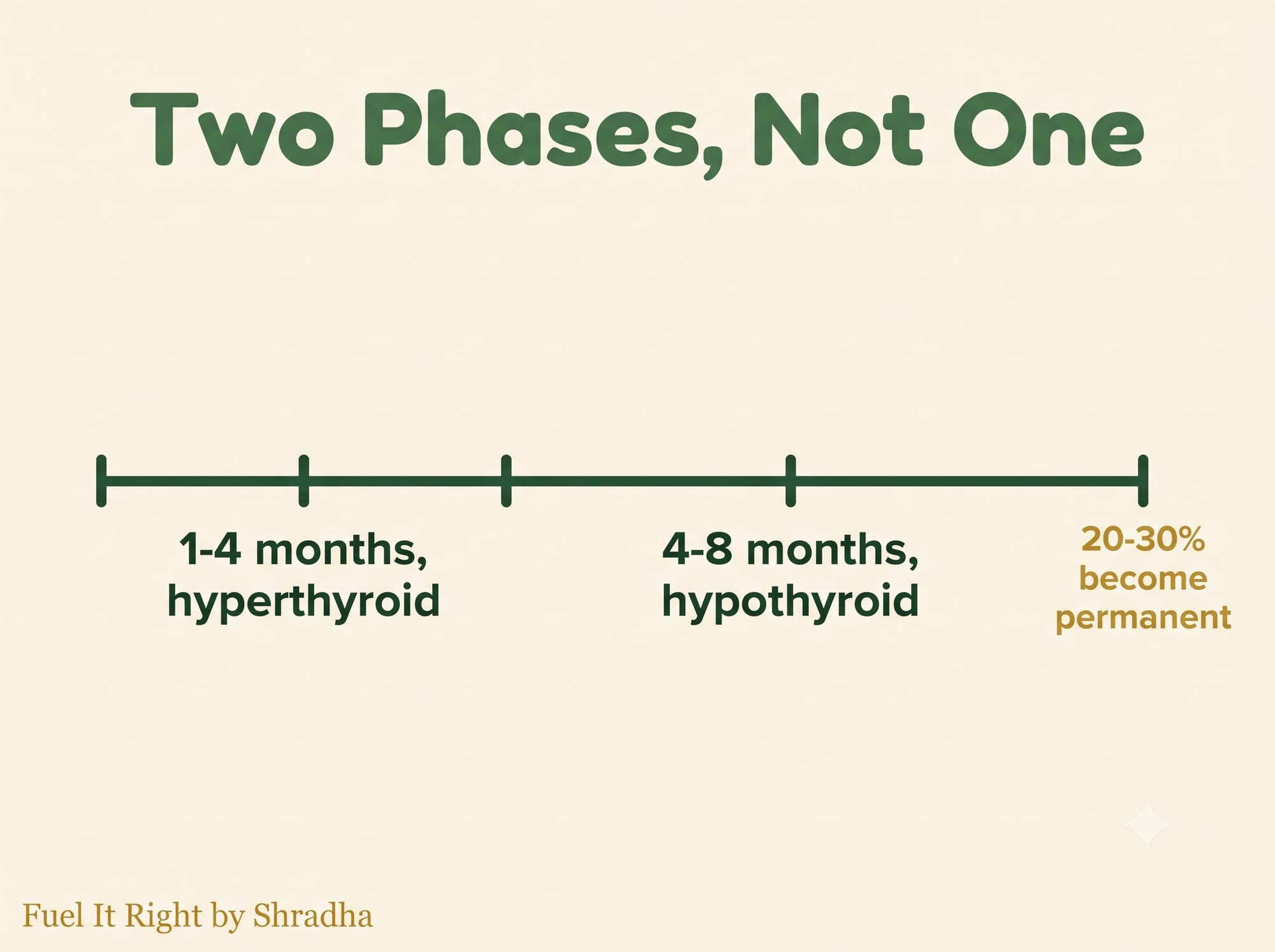
The first phase, thyrotoxic in nature, typically appears one to four months after delivery. Palpitations, anxiety, heat intolerance, and fatigue can show up. Roughly a third of women experience no noticeable symptoms at all though. This phase often resolves within a month or two, sometimes without anyone noticing it happened.
5. Postpartum Thyroiditis: The Hypothyroid Phase
The second phase is at about four to eight months postpartum and is the one most commonly confused with exhaustion. Symptoms of low energy, cold intolerance, weight gain and depression like symptoms can occur together. Most cases resolve within a year although 20-30% develop into permanent hypothyroidism and require ongoing treatment.
6. Postpartum Thyroiditis: Who's Actually at Higher Risk
Type 1 diabetes raises postpartum thyroiditis risk substantially, to roughly 25 to 30%. That compares with the general 5 to 7% baseline. A personal or family history of thyroid disease, prior postpartum thyroiditis, and testing positive for thyroid antibodies during pregnancy all raise the likelihood too. None of this is random
Wondering if what you're feeling postpartum is more than just exhaustion?
Let's talk it through
What to Actually Do About It
7. Postpartum Thyroiditis: When to Actually Get Tested
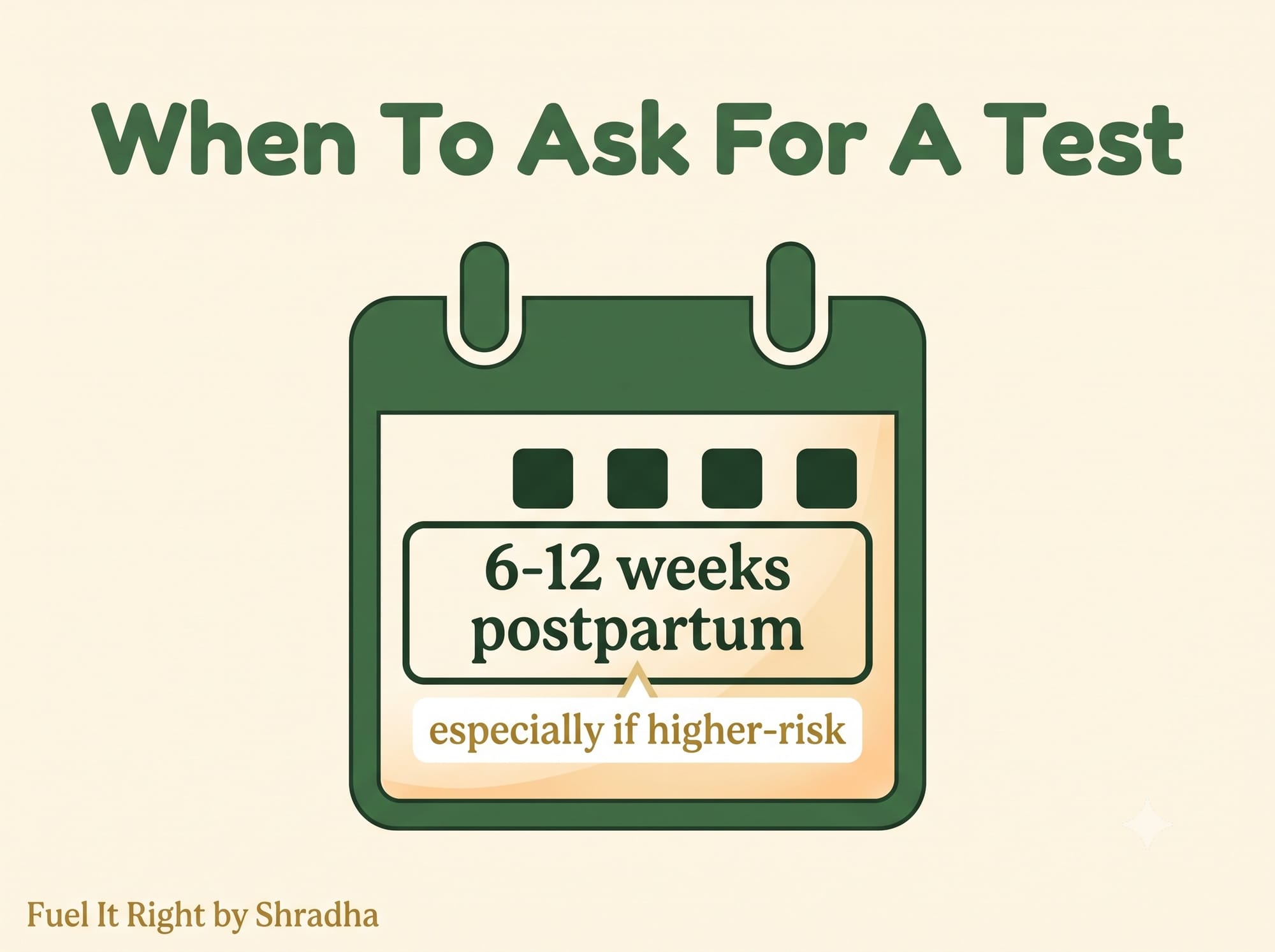
Anyone in a higher-risk group should get a TSH test at 6 to 12 weeks postpartum. There’s not enough evidence right now to warrant screening every new mother automatically. If symptoms feel disproportionate to ordinary tiredness, that’s a reasonable enough reason to ask. Same goes for symptoms that stick around well past what feels typical.
8. Postpartum Thyroiditis: What Might Help Prevent It
Some early evidence suggests selenium and omega-3 supplementation may play a preventive role against postpartum thyroiditis. This remains an emerging area though, not settled guidance. We covered selenium's narrow safety margin directly in Selenium and Thyroid Function: What to Know First. It's worth reading before considering supplementation during or after pregnancy specifically.
Postpartum Thyroiditis: The Takeaway
Postpartum thyroiditis is something that needs much more attention than it gets from new mothers. The condition is common, truly autoimmune and often misdiagnosed as normal postpartum exhaustion, mood changes or weight issues. A simple TSH test can differentiate the two, especially for anyone in a higher risk group. If something feels truly off from normal tiredness, that instinct is worth listening to.
Postpartum Thyroiditis: Frequently Asked Questions
Postpartum thyroiditis questions come up often, so here are direct answers to what new mothers ask most. If you're also curious how your gut health fits into the picture, the Gut Health Quiz is a good place to start.
How common is postpartum thyroiditis?
Prevalence estimates range from roughly 1% to 22% across studies, averaging around 5 to 7%, making it common enough that most people simply haven't heard the term.
How is postpartum thyroiditis different from normal postpartum exhaustion?
The symptoms really do overlap, which is why it gets missed. The only way to reliably tell the difference between ordinary tiredness and an actual autoimmune thyroid condition is with a TSH test.
What are the two phases of postpartum thyroiditis?
A hyperthyroid phase, typically one to four months postpartum, followed by a hypothyroid phase around four to eight months, though not everyone experiences both.
Does postpartum thyroiditis always resolve on its own?
In most people, the problem resolves itself within a year, but 20 to 30 percent of patients develop permanent hypothyroidism that requires lifelong treatment. That’s why follow-up testing is important.
Who is at higher risk for postpartum thyroiditis?
Women with type 1 diabetes face a substantially higher risk, around 25 to 30% versus the general 5 to 7%. A personal or family history of thyroid disease raises the risk too.
When should I get tested for postpartum thyroiditis?
A TSH test between 6 and 12 weeks postpartum is reasonable for higher-risk women, or anytime symptoms feel disproportionate to ordinary new-parent tiredness.
Can postpartum thyroiditis cause depression-like symptoms?
Yes, especially in the hypothyroid phase, also fatigue and cold intolerance. It doesn't mean all postpartum mood swings are thyroid, but it's worth excluding.
Can anything help prevent postpartum thyroiditis?
Some early evidence points to selenium and omega-3 supplementation, though this remains an emerging area rather than settled guidance, worth discussing with your doctor specifically.
About the Author
Shradha | Nutritionist & Dietitian | Fuel It Right. Food-first, evidence-based nutrition for real, sustainable results.