
Top 7 High Protein Indian Foods for Weight Loss Naturally
Protein is the most powerful nutrient for fat loss — and your Indian kitchen already has these 7 powerhouses.
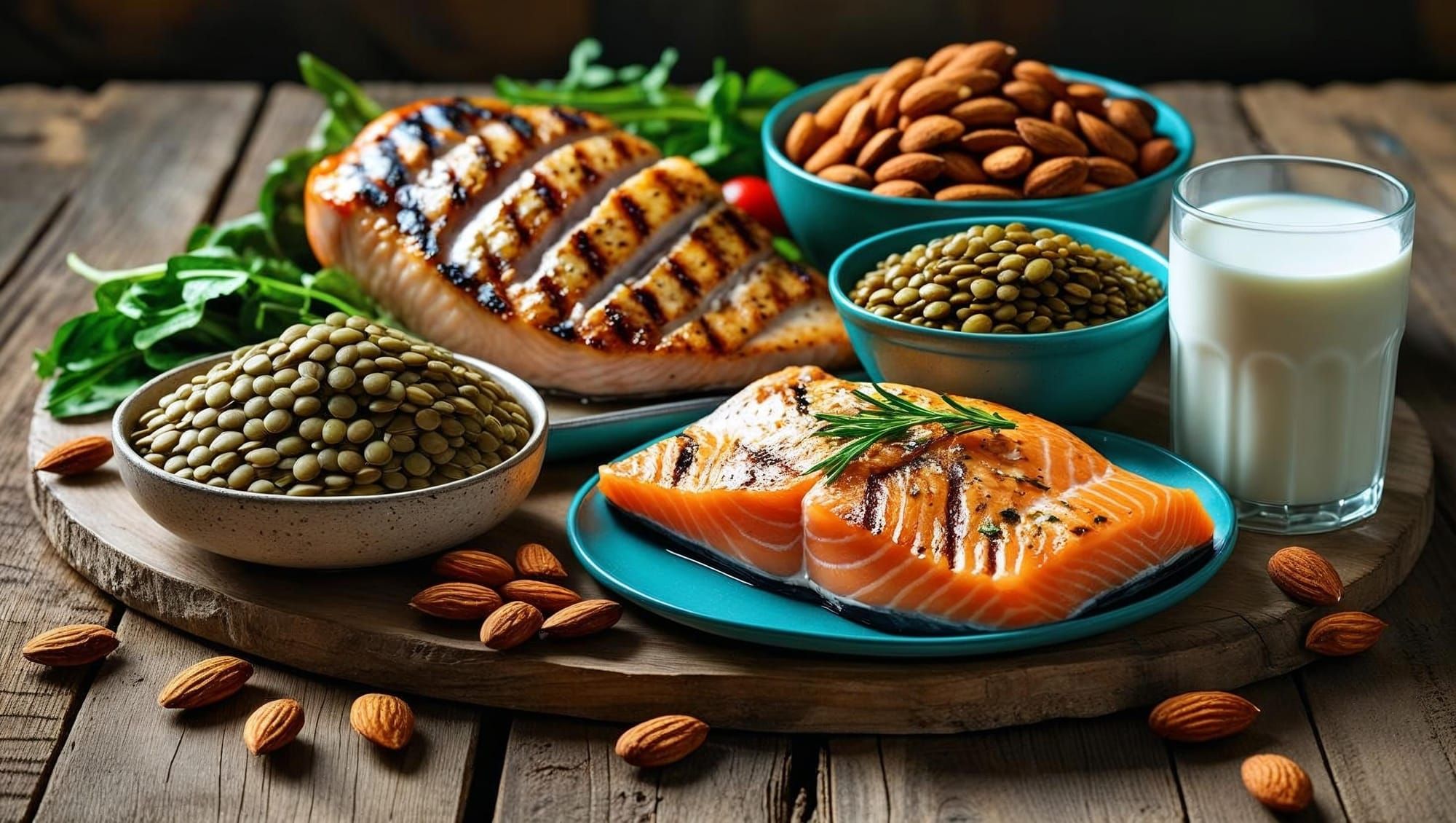
Struggling With Mid-Afternoon Hunger Pangs? Here's What Your Plate Is Missing
Struggling with mid-afternoon hunger pangs on your weight loss journey? A protein-rich Indian diet for weight loss can be your secret weapon. Protein not only builds and preserves lean muscle but also boosts metabolism and keeps you full longer. By focusing on the best protein foods in India, you can shed extra weight without feeling deprived — perfect for Indian diets, whether vegetarian or non-vegetarian.
Ready to transform your plate? Let's dive into the best vegetarian protein sources for weight loss and non-veg options that make weight loss deliciously simple.
Why a High-Protein Diet Is Key to Sustainable Fat Loss
A high-protein diet is a game-changer for weight loss. Here's why, backed by science:
Increases Satiety: Protein keeps you full longer, reducing overall calorie intake. A 2023 meta-analysis in the Journal of Nutrition found high-protein diets cut hunger by up to 25%.
Preserves Muscle Mass: Essential during weight loss to maintain strength and metabolism. When you cut calories without adequate protein, you risk losing muscle along with fat — which slows your metabolism and makes regain more likely.
Boosts Thermogenesis: Digesting protein burns 15–30% more calories than carbs or fats. This is called the thermic effect of food — and protein wins by a significant margin.
Stabilizes Blood Sugar: Protein slows glucose absorption, preventing the blood sugar spikes and crashes that trigger cravings and energy dips after meals.
By incorporating Indian high-protein meals, you'll feel satisfied while hitting your goals.
How Much Protein Do You Actually Need?
This is the question most people skip — and it's the reason high-protein diets fail. Eating more paneer is not enough if you're still falling short of your daily target.
A general guideline for weight loss:
- Sedentary adults: 0.8–1.0g of protein per kg of body weight
- Active adults or those trying to lose fat while preserving muscle: 1.2–1.6g per kg
- Women with PCOS, thyroid issues, or insulin resistance: closer to 1.4–1.6g per kg, since hormonal imbalances reduce muscle protein synthesis
Practical example: A 65 kg woman trying to lose weight with moderate activity needs roughly 78–104g of protein per day. Most Indian women eat 40–50g without realising it.
The foods below will help you close that gap, but tracking for even 3–4 days can be eye-opening.
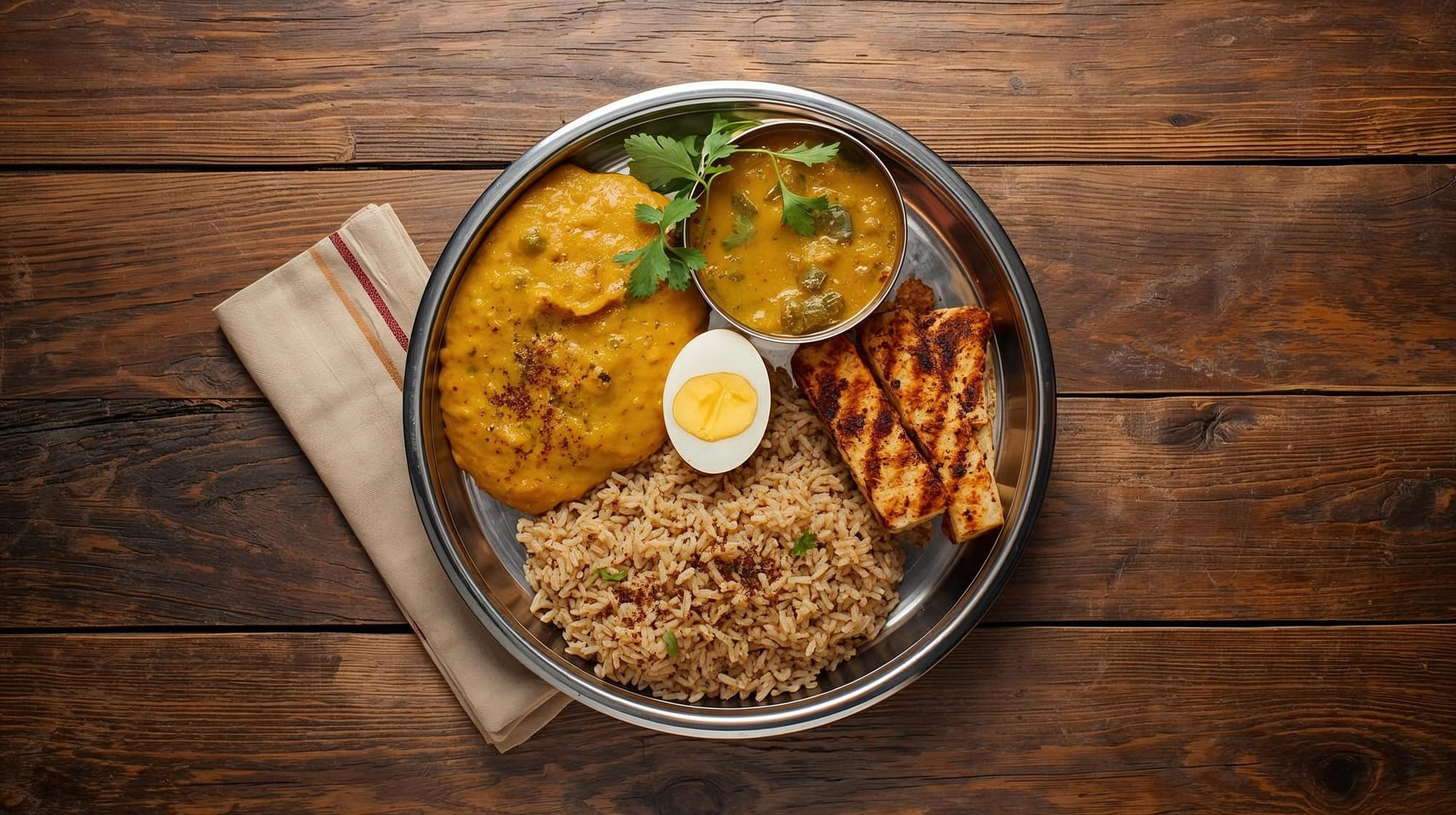
The Top 7 Protein-Rich Foods for an Indian Diet
1. Eggs: The Ultimate Breakfast Protein Powerhouse
Eggs are a complete protein source, packed with nutrients and incredibly versatile.
Protein: ~6g per large egg
Benefits: Rich in B vitamins, healthy fats, and all nine essential amino acids.
Weight Loss Perk: Starting your day with eggs can reduce calorie intake by up to 400 calories, as per a 2020 study.
Recipe Idea: Try a veggie-packed egg bhurji with onions, tomatoes, and spinach for a 250-calorie breakfast.
👉 Best Way to Eat: Boiled, poached, or scrambled with vegetables.
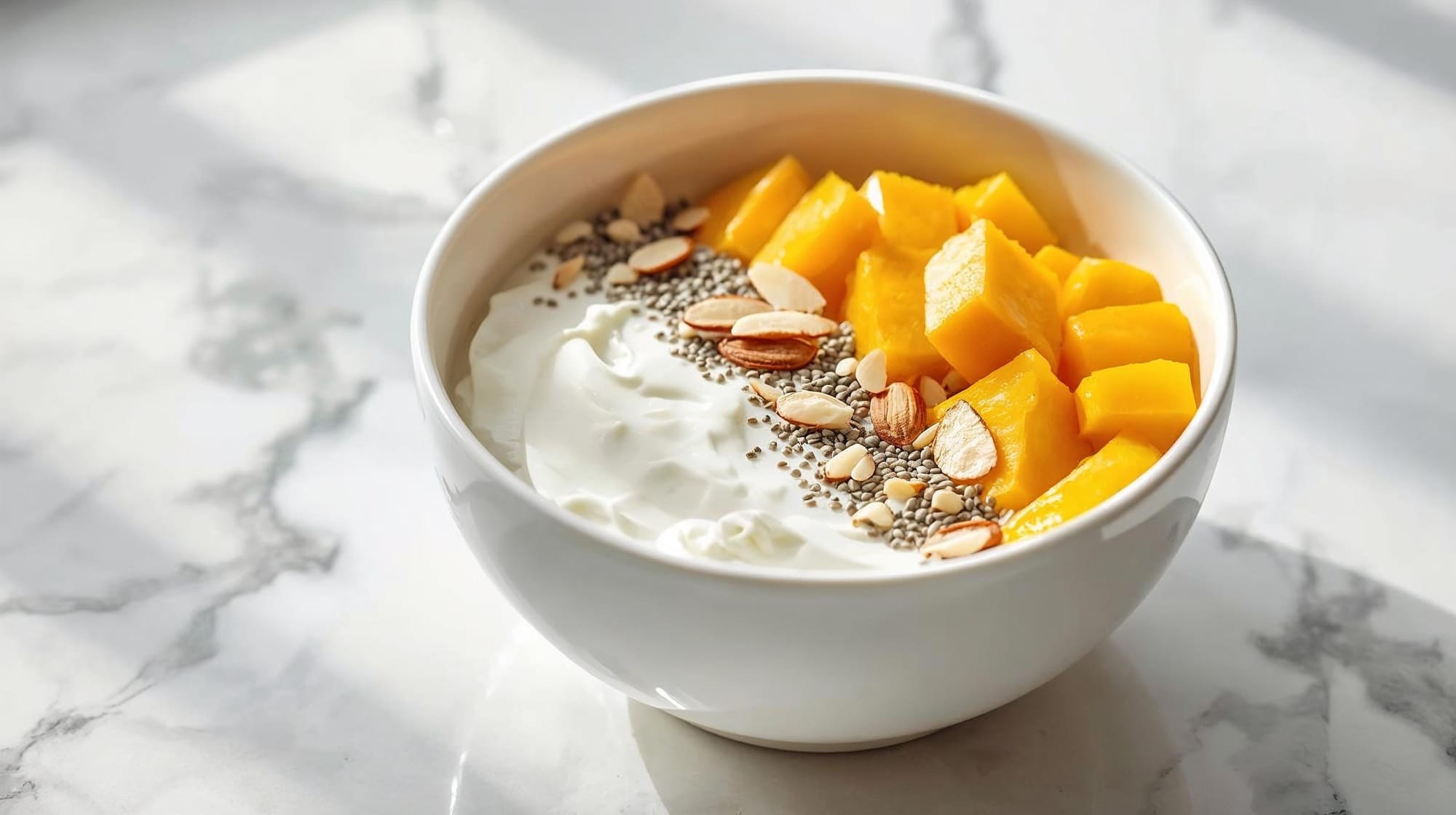
2. Greek Yogurt (Hung Curd): Creamy, Gut-Friendly Protein
This thicker curd is a protein-packed staple in Indian kitchens.
Protein: ~10g per cup
Benefits: Loaded with probiotics for gut health and calcium for bones.
Weight Loss Perk: Its creamy texture keeps you satisfied for hours.
Recipe Idea: Blend with fresh mango and chia seeds for a 200-calorie smoothie.
👉 Best Way to Eat: Mix with fruits or use in smoothies.
3. Paneer (Cottage Cheese): Vegetarian Protein Hero
A favourite in Indian households, paneer is the best vegetarian protein source for weight loss.
Protein: ~18g per 100g
Benefits: High in calcium, low in carbs, and perfect for vegetarians.
Weight Loss Perk: Keeps you full while adding minimal calories.
Recipe Idea: Grill paneer with bell peppers for a 250-calorie salad.
👉 Best Way to Eat: Grilled, stir-fried with vegetables, or added to salads.
4. Lentils and Legumes (Dal, Chana, Rajma, Moong): Plant-Based Power
These staples are fibre-rich and ideal for a high-protein vegetarian Indian diet.
Protein: ~9g per cup cooked
Benefits: High in iron, fibre, and complex carbs for sustained energy.
Weight Loss Perk: Their fibre content promotes fullness for hours.
Recipe Idea: Pair moong dal with a multigrain roti for a balanced 350-calorie lunch.
👉 Best Way to Eat: As part of lunch with multigrain roti or brown rice.
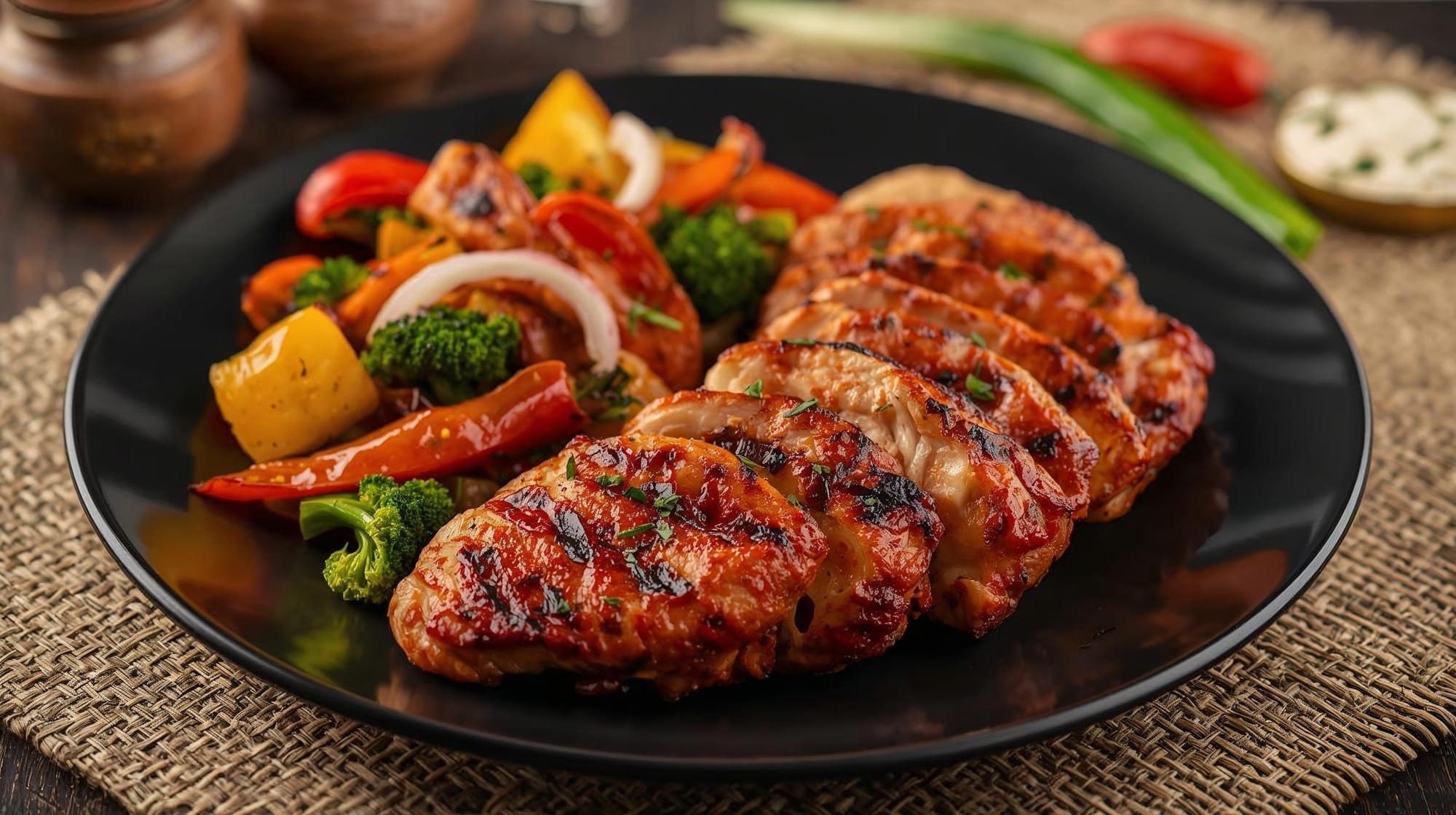
5. Chicken Breast: Lean Non-Veg Champion
A go-to for non-vegetarians, chicken breast is lean and protein-dense.
Protein: ~22–25g per 100g
Benefits: Low in fat, easy to digest, and supports muscle growth.
Weight Loss Perk: High protein content aids recovery and satiety.
Recipe Idea: Bake with spices for a 300-calorie tandoori chicken meal.
👉 Best Way to Eat: Grilled, baked, or stir-fried with minimal oil.
6. Tofu or Soy Products: Vegan Protein Star
Tofu, a soy-based alternative to paneer, is perfect for vegans.
Protein: ~10g per 100g
Benefits: Contains iron, calcium, and all essential amino acids.
Weight Loss Perk: Low-calorie and adaptable for Indian dishes.
Recipe Idea: Stir-fry tofu with curry spices for a 200-calorie side dish.
👉 Best Way to Eat: In stir-fries, curries, or salads.
7. Nuts and Seeds (Almonds, Pumpkin Seeds, Flaxseeds): Nutrient-Dense Snacks
These are calorie-dense but rich in healthy fats and protein.
Protein: ~3g per 10 almonds
Benefits: Packed with magnesium, vitamin E, and fibre.
Weight Loss Perk: Great for controlled snacking — stick to about 10–15 almonds to avoid excess calories.
Recipe Idea: Blend pumpkin seeds into a 150-calorie smoothie for a nutrient boost.
👉 Best Way to Eat: As a snack or blended into smoothies and porridges.
Tips to Boost Protein Intake in Your Indian Meals
Maximise the benefits of protein for weight loss with these strategies:
- Start Strong: Kick off your day with a protein-rich breakfast like eggs or Greek yogurt.
- Protein in Every Meal: Add paneer, dal, or chicken to lunch and dinner.
- Swap Smart: Replace refined carbs (white rice, maida) with lentils or eggs.
- Lighten Up: Use curd, paneer, or tofu instead of heavy, calorie-laden gravies.
- Portion Control: For nuts, stick to a small handful (10–15 almonds) to keep calories in check.
Book a Free Weight Loss Consultation with me here.
Protein Timing: When You Eat Matters As Much As What You Eat
Most people focus on total protein but ignore distribution across the day. Research shows that spreading protein across 3–4 meals produces better muscle retention and appetite control than loading it all at dinner.
What this looks like practically:
- Breakfast: Aim for 20–25g (eggs + curd, or paneer paratha with a side of dal)
- Lunch: 25–30g (dal + sabzi + roti, or chicken curry with brown rice)
- Evening snack: 10–15g (roasted chana, Greek yogurt, a handful of nuts)
- Dinner: 25–30g (fish, tofu sabzi, or rajma)
One more thing: eating 20–30g of protein within 60–90 minutes of waking up helps regulate hunger hormones (ghrelin) for the rest of the day. This is especially relevant for women with PCOS or thyroid imbalances, where hunger dysregulation is common.
A pattern that derails Indian women specifically is eating most of their protein at dinner. A large dal-chawal dinner after a carb-heavy day doesn't undo the protein deficit from breakfast and lunch. The body can only synthesise muscle protein from roughly 20–35g per meal. Anything beyond that is used for energy, not recovery. So a 70g protein dinner doesn't compensate for a 5g breakfast. Spread it out.
Signs You're Not Eating Enough Protein
These are easy to miss because they look like other problems:
- Constant hunger 1–2 hours after meals
- Difficulty losing weight despite eating less
- Hair thinning or hair fall (protein is the building block of keratin)
- Feeling weak or fatigued, especially in the afternoon
- Poor skin healing or frequent infections
If you're experiencing 2 or more of these consistently, your diet may be protein-deficient, even if you feel like you're eating "healthy."
Hair fall is the one that brings most women to a nutritionist, but by the time hair fall is visible, the deficiency has usually been present for 3–6 months. Protein supports keratin production, and the body deprioritises hair when protein is scarce (it goes to organs first). If hair fall is your concern, fixing protein intake is step one. But results take 3–4 months to show in the hair growth cycle, so consistency matters more than any quick fix.
Sample 1-Day High-Protein Indian Meal Plan
Here's how to incorporate these foods into a real day:
Meal | What to Eat | Protein | Calories |
Breakfast | Egg bhurji (2 eggs) with spinach + 1 multigrain roti | ~20g | ~300 |
Morning snack | 1 cup Greek yogurt + 10 almonds | ~13g | ~200 |
Lunch | Moong dal + grilled paneer + brown rice | ~25g | ~400 |
Evening snack | Handful of roasted chana | ~5g | ~100 |
Dinner | Tandoori chicken breast + veggie stir-fry | ~30g | ~350 |
Total | ~93g | ~1,350 |
Adjust portions based on your calorie needs and health goals.
Frequently Asked Questions
Can vegetarians get enough protein for weight loss without supplements?
Yes, absolutely. Combining paneer, dal, Greek yogurt, eggs (if lacto-ovo vegetarian), nuts, and seeds across the day gets most women to 80–100g easily. The key is intentionality: protein must be a deliberate part of every meal, not an afterthought.
Is eating paneer every day okay for weight loss?
Yes, in controlled portions. 100g of paneer daily is fine for most people and adds 18g of high-quality protein. Choose low-fat paneer if calories are a concern, and pair it with vegetables rather than calorie-heavy gravies.
Can I eat dal and rice together if I'm trying to lose weight?
Yes. Dal-rice is a complete protein combination (the amino acids in lentils and rice complement each other). Use more dal than rice, choose brown or parboiled rice, and add a vegetable side. The protein-fibre combination in this meal is actually excellent for satiety.
How soon will I see results on a high-protein diet?
Most people notice reduced hunger within the first 1–2 weeks. Visible fat loss typically shows by weeks 4–6 when protein intake is consistent and overall calories are controlled. Results depend on your starting point, activity level, and whether any underlying conditions (thyroid, PCOS) are being managed.
Final Thoughts: Build Your High-Protein Weight Loss Plan
Adding these protein-rich foods to your daily meals can help you shed fat effectively, preserve muscle, and curb cravings. But the best results come from a personalised plan, one that accounts for your calorie needs, health conditions, lifestyle, and food preferences.
Ready for Personalised Results? Book a free 30-minute consultation here.
Or Call +91 7057063984
Shradha | Nutritionist & Dietitian | Fuel It Right