
Overactive Thyroid Diet: What to Know First
Overactive thyroid diet advice online almost always says the same thing: cut iodine completely. The actual evidence is more nuanced, and India's iodized salt policy adds a layer most guides ignore. Here's what a newly diagnosed hyperthyroidism patient actually needs to know.
Table of Contents
1. Overactive Thyroid Diet Basics: What Hyperthyroidism Actually Does
2. Overactive Thyroid Diet and Weight: Why the Scale Moves Fast
3. Overactive Thyroid Diet and Gut Health: The Digestive Link
4. Overactive Thyroid Diet: Why Iodine Restriction Isn't as Simple as It Sounds
5. Overactive Thyroid Diet in India: The Iodised Salt Factor
6. Overactive Thyroid Diet: Foods That Genuinely Help
7. Overactive Thyroid Diet: Protecting Your Bones While You Eat
8. Overactive Thyroid Diet: A Realistic Daily Structure
Overactive Thyroid Diet: The Takeaway
Overactive Thyroid Diet: Frequently Asked Questions
Overactive thyroid diet decisions matter more than most people realise on diagnosis day. Hyperthyroidism speeds up nearly every system in the body, and food is one of the few levers a patient can adjust alongside medication. This series already covered the under active thyroid closely in Hypothyroidism: The Breakfast Mistake Costing You. Today, turn that picture upside down because Graves’ disease and toxic nodules call for a whole different set of food choices.
What an Overactive Thyroid Diet Needs to Address
1. Overactive Thyroid Diet Basics: What Hyperthyroidism Actually Does
When you begin planning a diet for an overactive thyroid, you have to understand what is going on inside the body. In hyperthyroidism, the thyroid gland makes too much hormone, so the metabolism goes into overdrive. The heart rate goes up. The digestion speeds up. Sleep becomes elusive. Graves’ disease accounts for most adult cases in India, but toxic nodules and thyroiditis are also regular visitors to clinics.
2. Overactive Thyroid Diet and Weight: Why the Scale Moves Fast
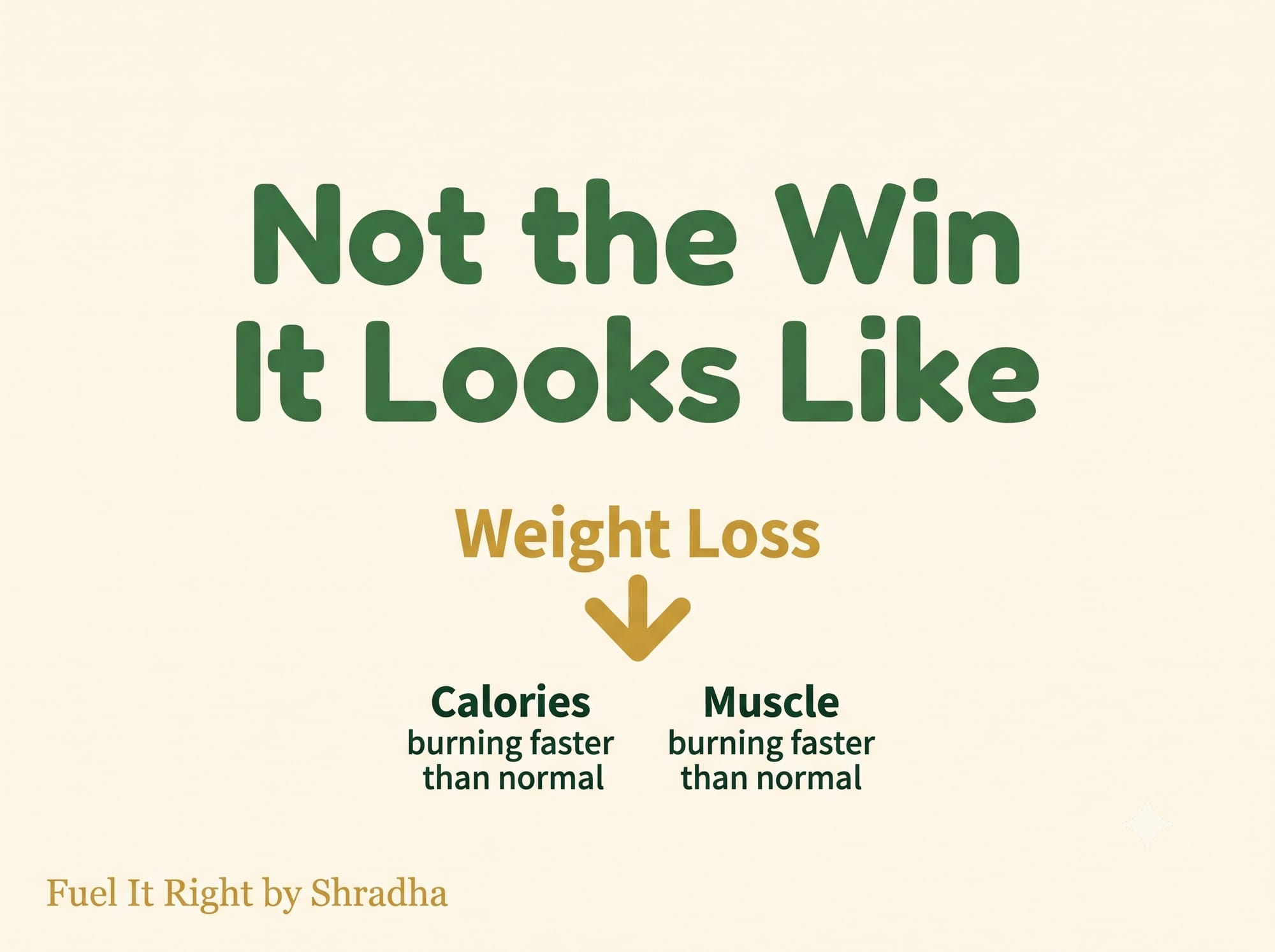
An overactive thyroid diet often gets requested for the wrong reason: sudden, unplanned weight loss. That drop isn't fat loss worth celebrating. It reflects a body burning through calories and often muscle faster than it should. Restricting food further usually backfires here. The actual priority is stopping unintended loss, not creating more of it.
3. Overactive Thyroid Diet and Gut Health: The Digestive Link
The diet of an overactive thyroid also has a surprisingly strong impact on gut health. Too much thyroid hormone speeds up intestinal transit time, and this is why frequent, loose stools are a common symptom of hyperthyroidism. This is the opposite of the slow digestion associated with an underactive thyroid. Fiber and hydration still have a role to play, but the goal is a more balanced digestion, not a more active one, and the Gut Health Quiz is a great place to find out how your own digestion is doing.
The Iodine Question in an Overactive Thyroid Diet
4. Overactive Thyroid Diet: Why Iodine Restriction Isn't as Simple as It Sounds
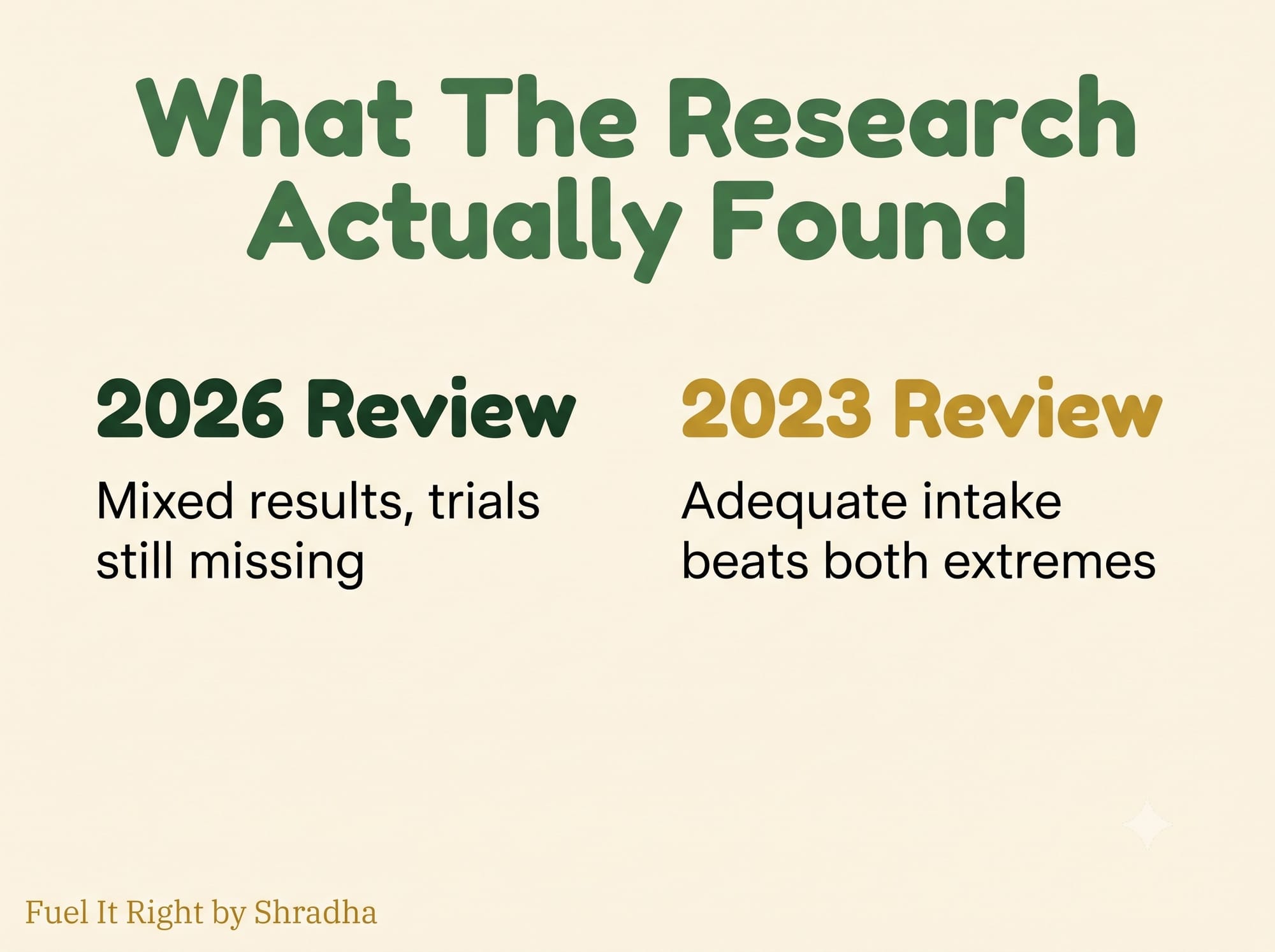
Diet recommendations for an overactive thyroid that you find on the internet almost always start with one recommendation: cut iodine completely. The real evidence is messier than that. A 2026 review in the journal Nutrients found genuinely mixed results. Some studies found lower iodine intake associated with better remission rates. Others found no clear pattern at all, and the review concluded that well-designed human trials are still lacking.
A separate 2023 systematic review found a different nuance on the overactive thyroid diet question. Not very low, but also not too high, iodine intake was associated with better outcomes. Extremes in either direction did worse. That’s a meaningfully different message than the blanket “avoid all iodine” advice circulating so widely.
5. Overactive Thyroid Diet in India: The Iodised Salt Factor
This gets more complicated in India because for decades the standard policy has been iodised salt, specifically to stop deficiency-driven thyroid disease. A study in an Indian hospital looking at Graves’ patients undergoing radioactive iodine treatment found that short-term dietary iodine restriction made no measurable difference to the outcomes. That does not mean iodine is irrelevant. It means the confident, specific restriction numbers many guides quote outrun what research actually supports today.
6. Overactive Thyroid Diet: Foods That Genuinely Help
Some food choices do have real backing regardless of the iodine debate. Cooked cruciferous vegetables, cabbage, cauliflower, and broccoli contain compounds that mildly slow thyroid hormone production, the opposite role they play in hypothyroidism. Seaweed and kelp are worth avoiding either way, since their iodine content is extreme enough to matter on its own.
Building a Real Overactive Thyroid Diet Day
7. Overactive Thyroid Diet: Protecting Your Bones While You Eat
A hyperthyroid diet should take special care of bone health. Hyperthyroidism increases bone turnover, which increases the risk of fracture over time if not managed. Calcium and vitamin D intake are more important here than most diet conversations. This is a conversation you should have directly with your endocrinologist, rather than trying to guess at supplement doses on your own.
8. Overactive Thyroid Diet: A Realistic Daily Structure
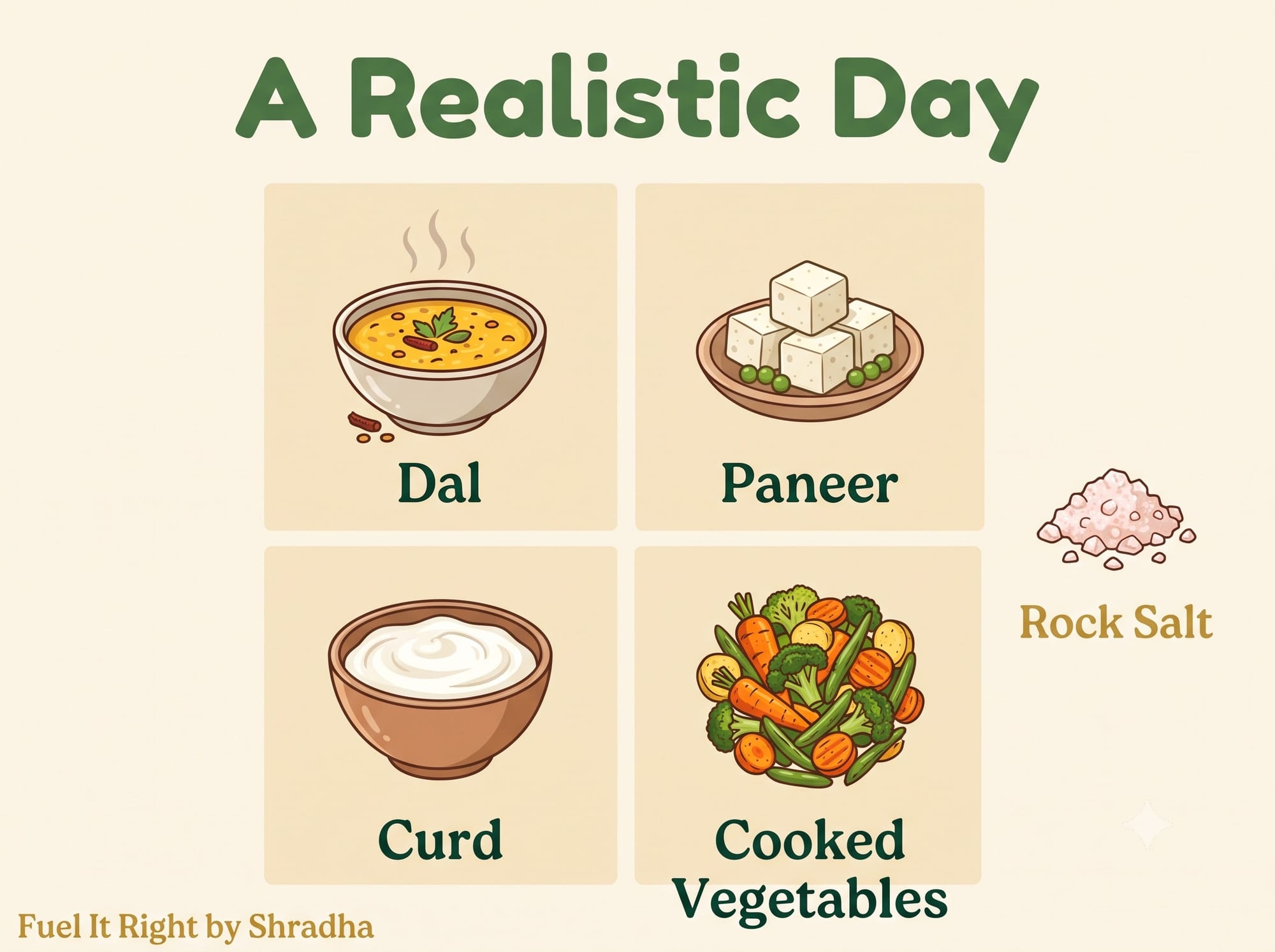
A realistic overactive thyroid diet day centers on regular, calorie-adequate meals rather than restriction. Dal, paneer, curd, and cooked vegetables form a steady base. Rock salt in place of iodised salt is a reasonable, low-effort swap worth discussing with your doctor first, not a rule to adopt unilaterally without that conversation.
Newly diagnosed and want a food plan that actually matches your specific thyroid condition?
Let's build one together
Call/ WhatsApp: +91 70570 63984 Or
Overactive Thyroid Diet: The Takeaway
Most online resources offer insufficiently precise guidance for an overactive thyroid diet. The evidence for iodine restriction is genuinely unclear; here, cruciferous vegetables help rather than harm, and the landscape of iodised salt in India adds a layer that most global advice completely ignores. Food supports treatment. It does not replace the antithyroid medication or radioactive iodine therapy your endocrinologist actually prescribes.
Overactive Thyroid Diet: Frequently Asked Questions
Overactive thyroid diet questions come up constantly in clinic, so here are direct answers to the ones patients ask most.
Does an overactive thyroid diet require avoiding all iodine?
No. Current research doesn't support strict avoidance of all iodine. Adequate intake, not extremely low intake, is linked to better outcomes in the strongest recent reviews, though very high-iodine foods like seaweed are still worth limiting.
Can cruciferous vegetables help an overactive thyroid diet?
Yes. Cooked cabbage, cauliflower and broccoli contain compounds that slightly slow down the production of thyroid hormone. This is actually helpful when you have hyperthyroidism, unlike an underactive thyroid where the same foods are typically restricted.
Why does weight drop so fast with hyperthyroidism?
Excess thyroid hormone speeds up metabolism, so the body burns calories and muscle faster than normal. That weight loss reflects illness, not health, which is why calorie-adequate eating matters more than restriction here.
Should I use rock salt instead of iodised salt?
It's a reasonable, low-effort swap worth discussing with your doctor, since iodised salt is standard across India specifically to prevent deficiency. Switching isn't something to decide alone without that conversation first.
Does an overactive thyroid diet affect digestion?
Yes. Hyperthyroidism speeds up the transit of the bowels, often resulting in more frequent, looser stools. That’s the opposite of the slower digestion seen with an underactive thyroid, and it usually improves once hormone levels are stabilized.
Is seaweed safe with hyperthyroidism?
Generally, no. Seaweed and kelp contain extremely high iodine levels, well above what's needed, and can worsen hyperthyroid symptoms. This holds regardless of where you land on the broader iodine restriction debate.
How does an overactive thyroid diet protect bone health?
Hyperthyroidism causes increased bone turnover, which over time increases fracture risk. Adequate calcium and vitamin D intake helps to mitigate this. It's worth discussing directly with your endocrinologist rather than self-supplementing.
Can diet alone treat an overactive thyroid?
No. Diet supports treatment; it doesn't replace it. Antithyroid medication, radioactive iodine therapy, or surgery, guided by your endocrinologist, remain the actual treatments, with food playing a genuinely supportive role alongside them.
About the Author
Shradha | Nutritionist & Dietitian | Fuel It Right. Food-first, evidence-based nutrition for real, sustainable results.