
Eat Rice for Weight Loss: Guilt-Free!
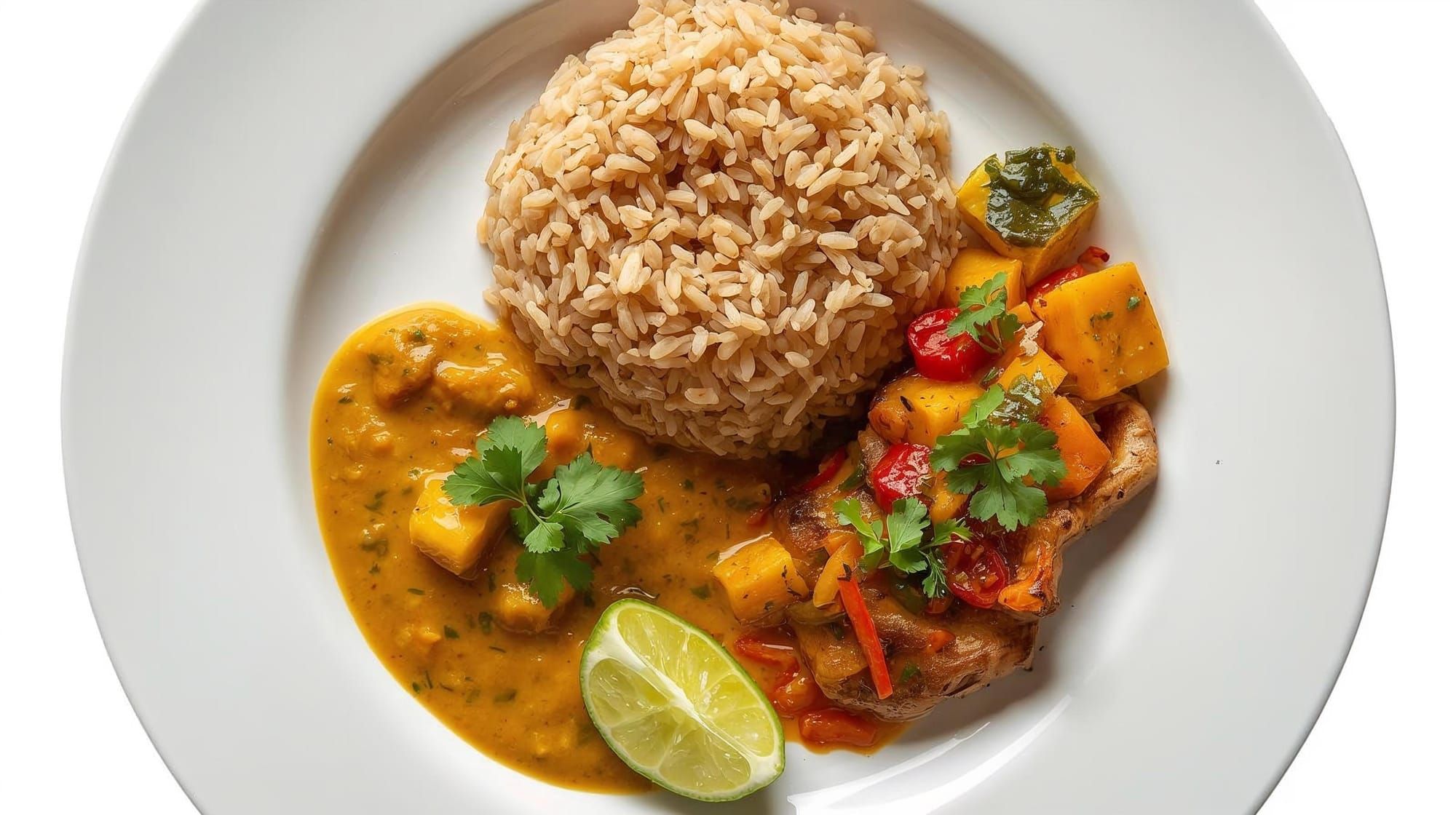
A Nutritionist's Guide to Indian Wellness and Sustainable Weight Management.
Are you tired of diets that force you to give up your favourite foods? Good news is that rice can absolutely be part of a healthy weight-loss plan. Here's how to fuel your body right with rice, without the fear.
Why Rice Isn't the Enemy
Rice has been unfairly blamed for weight gain for years. The truth is simpler: weight gain happens when you consistently eat more calories than your body uses, not because of any single food.
For Indian women especially, cutting out rice tends to backfire. Rice is deeply tied to how we eat, cook, and socialise. When you eliminate it completely, you're more likely to feel deprived, crave it intensely, and eventually overeat. This is the yo-yo cycle that keeps people stuck.
Carbohydrates, including rice, are essential for energy, metabolism, and hormonal balance. The problem is never the rice. It's the portion size, what it's paired with, and how often you go back for seconds.
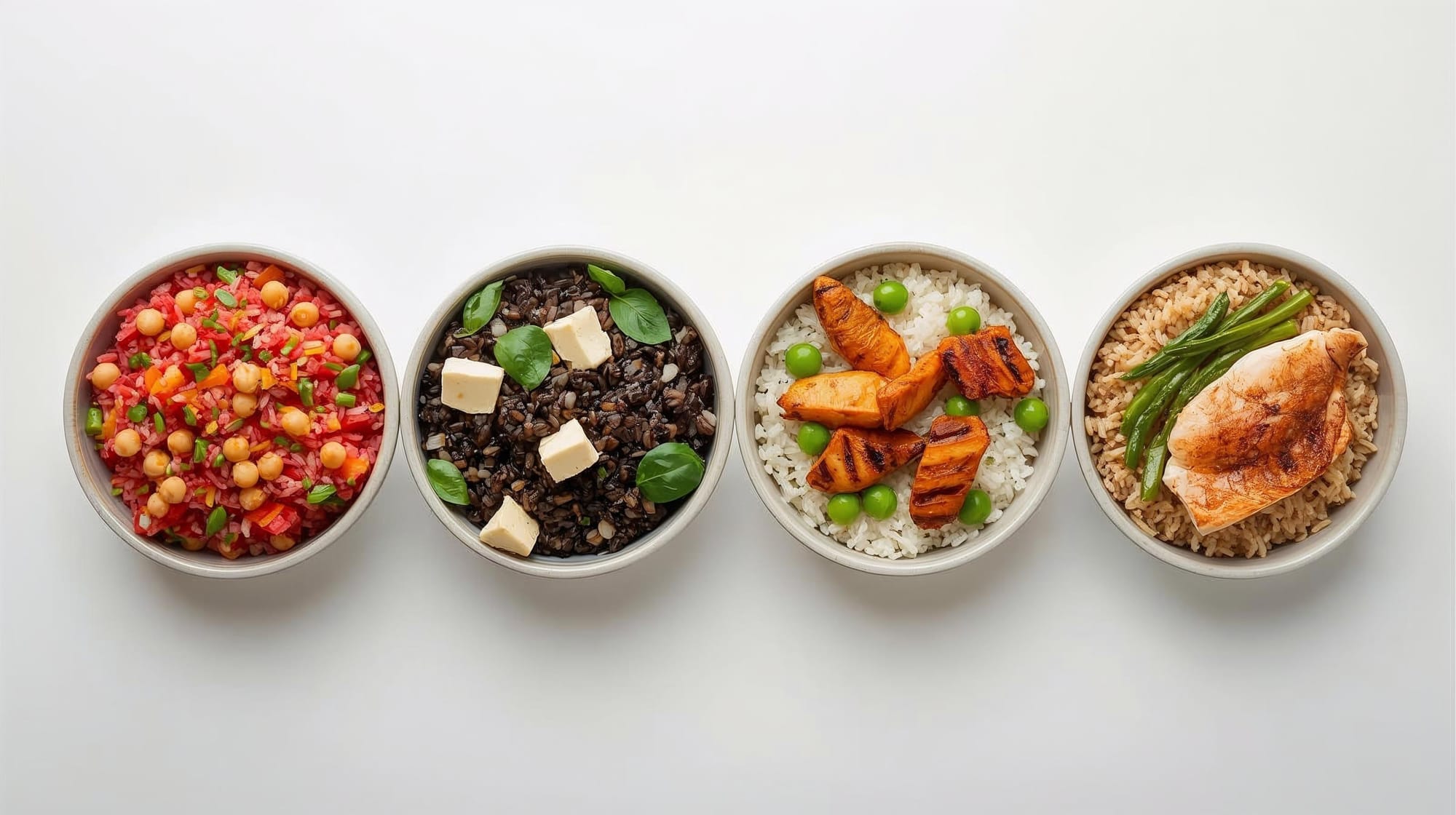
Which Rice Should You Eat for Weight Loss?
Not all rice is the same. Here's what to prioritise:
Brown rice: Higher fibre than white rice, which slows digestion and keeps you fuller longer. Good everyday option.
Red rice: Rich in antioxidants, particularly anthocyanins. Supports heart health and has a lower glycemic index than white rice.
Black rice: Anti-inflammatory, high in antioxidants. Once called "forbidden rice", now one of the most nutritious options available.
Hand-pounded rice: Unpolished, so it retains the bran layer. More nutrients, more fibre, gentler on blood sugar than polished white rice.
Basmati (long-grain): Lower glycemic index compared to short-grain white rice. A reasonable option if the above aren't accessible.
If white rice is all you have access to or prefer culturally, keep reading. It's not off the table either.
The Resistant Starch Secret Most People Don't Know
Here's something most diet advice skips entirely: cooking rice and then cooling it before eating significantly increases its resistant starch content.
Resistant starch behaves more like fibre than a digestible carbohydrate. It passes through the small intestine without being fully absorbed, feeds beneficial gut bacteria, and causes a smaller blood sugar spike compared to freshly cooked hot rice.
This means yesterday's leftover rice, reheated or eaten cold as in curd rice, is actually a better option for weight loss than a fresh hot portion. This is not a trick. It's basic food science, and it's good news for anyone who eats rice regularly.
Portion Control and Balanced Plates
The plate method works well with rice:
- Fill 50% of your plate with vegetables. Cooked or raw.
- Fill 25% with lean protein like dal, tofu, chicken, eggs, fish, paneer.
- Fill 25% with rice or another complex carb.
Aim for half to one cup of cooked rice per meal, not per day. If you are less active in the evenings, make lunch your rice meal and keep dinner lighter.

Sample Meal Ideas
- Brown rice khichdi with moong dal and ghee
- Red rice salad with chickpeas, cucumber, and mint
- Black rice bowl with tofu and spinach
- Hand-pounded rice with rasam and grilled fish
- Basmati pulao with paneer and peas
- Curd rice with cooling vegetables which is a naturally resistant starch-rich meal
Pro Tips to Eat Rice Without Guilt
- Steam or pressure cook and avoid frying or adding excess oil.
- Mix with pulses or millets to increase fibre and protein.
- Eat slowly, chew properly, and stop at satisfaction, not fullness.
- Cool cooked rice before eating when possible to increase resistant starch.
- Skip seconds, serve yourself once and wait 15 minutes before deciding if you need more
Expert Answers: Rice and Weight Loss FAQs
Q: Will eating rice make me gain weight?
Not if your overall calorie intake is appropriate. Smart portions and balanced plates are what matter.
Q: Can I eat white rice and still lose weight?
Yes. White rice is not the enemy. Portion size and what you pair it with matters far more than the type of rice.
Q: What's the healthiest rice for diabetes?
Brown rice, hand-pounded rice, or cooled cooked rice (for resistant starch) cause the least blood sugar spike. Pair any rice with protein and vegetables to further lower the glycemic impact of the meal.
Q: Can I eat rice daily and still lose weight?
Yes — with appropriate portions, balanced pairing, and mindful eating.
Q: What's the best time to eat rice for weight loss?
Lunch is ideal for most people, particularly if you are less active in the evenings. That said, rice at dinner is not forbidden. Just keep the portion smaller and pair with vegetables and protein.
Q: How much rice is too much?
More than one cup of cooked rice per meal consistently, without adequate protein and vegetables, is where problems begin. One cup cooked is roughly 200 calories, manageable in a balanced diet.
Tradition Meets Modern Science
Rice is woven into our culture and our comfort. Rather than cutting it out, the goal is to eat it smarter. Create weight-loss-friendly versions of the meals you already love like dal-chawal, curd-rice, fish-curry rice with more vegetables, adequate protein, and the right portions.
You do not need a Western diet to lose weight. You need a plan built around the food you actually eat.
Ready to Build a Plan Around Real Indian Food?
If you want a personalised nutrition plan that works with your lifestyle, not against it, book your first free a consultation here: calendly.com/shradhajp/30min
Or WhatsApp/message: +91 7057063984.
Shradha | Nutritionist & Dietitian | Fuel It Right
Don’t Miss Out—Subscribe Below!
Never miss a new post—hit subscribe for more expert Indian nutrition tips, recipes, and motivation.