
Is Intermittent Fasting Actually Good for Indian Women?
Intermittent fasting is everywhere. But was it ever tested on women like us? For many Indian women with PCOS, thyroid issues or high stress, IF may be quietly working against your hormones. Here's the honest answer.
The honest, research-backed answer nobody is giving you.
Every second woman I speak to is either doing intermittent fasting, thinking about starting it, or feeling guilty for having quit it.
It’s everywhere. Instagram reels swear by it. WhatsApp groups debate 16:8 vs 18:6. Colleagues are skipping breakfast and calling it discipline. And somewhere in between all of this, you’re wondering — should I be doing this?
Here’s my answer as a nutritionist: it depends entirely on who you are, what your hormones are doing, and how you eat for the rest of the day.
For some women, IF works beautifully. For many Indian women — particularly those with PCOS, thyroid issues, high stress, or irregular schedules, the way IF is commonly practised is quietly making things worse.
The Research Behind IF — And the Problem with It.
Intermittent fasting became mainstream largely on the back of studies showing improvements in insulin sensitivity, fat oxidation, and metabolic markers. Impressive results. Genuinely promising science.
But here’s what nobody talks about: the majority of early IF studies were conducted on men, or on post-menopausal women.
A 2020 review published in Endocrine Reviews highlighted that sex-based differences in response to caloric restriction and fasting are significant and have been consistently underrepresented in nutrition research. Reproductive-age women — the exact demographic most drawn to IF, were the least studied group.
Why does this matter? Because women’s bodies are not smaller versions of men’s bodies. Our hormonal architecture is fundamentally different, and it responds to fasting in ways that can work against us.
What Fasting Does to a Woman’s Hormones
When you fast for extended periods, your body reads it as a stress signal. In response, the HPA axis, the communication highway between your brain and your adrenal glands, activates and cortisol rises.
In men, this stress response is relatively contained and short-lived. In women of reproductive age, elevated cortisol can trigger a cascade:
• GnRH (gonadotropin-releasing hormone) gets suppressed.
• This disrupts the LH and FSH signals that regulate your menstrual cycle.
• Oestrogen and progesterone production can decline.
• The result: irregular periods, worsened PMS, cycle disruption, and paradoxically, more difficulty losing weight.
A 2022 study in Cell Metabolism found that women following a 4:3 fasting protocol showed significantly greater HPA axis dysregulation compared to men following the same protocol, including elevated cortisol and disrupted reproductive hormone markers.
This is not a reason to never fast. It is a reason to be much more thoughtful about how you fast.
The Indian Lifestyle Makes This Worse
Here’s where I want to pause and talk specifically about how we actually live in India — because the IF protocols being circulated online were not designed with our daily rhythms in mind.
Breakfast culture in India is already fragile. Many Indian women skip breakfast not as a conscious IF choice, but because mornings are chaotic — school runs, tiffin boxes, getting everyone else ready before themselves. By the time they eat, it’s 11am or later, and the first thing consumed is often two cups of chai on an empty stomach.
Chai on an empty stomach especially the kind with sugar and full-fat milk, causes a sharp insulin spike with no food buffer to moderate it. Do this daily over months, and you’re training your body for insulin dysregulation.
Dinner in India is late. Most Indian families eat between 8:30pm and 10pm. If you’re also skipping breakfast until 10am the next day, you are technically in a 12–14 hour fast already, without any of the conscious preparation that makes fasting safe.
Stress loads are high. Working women, mothers, women managing households alongside careers, chronic stress is already keeping cortisol elevated. Adding a prolonged fasting window on top of that is adding fuel to an already burning fire.

Who IF Actually Works For
IF tends to work well for:
• Women who are post-menopausal and have stabilised hormones.
• Women with healthy, regular menstrual cycles and low stress loads.
• Women with Type 2 diabetes or pre-diabetes, under clinical supervision, where insulin sensitivity is the primary target.
• Women who naturally aren’t hungry in the morning and have been skipping breakfast without any negative symptoms for years
Who Needs to Be Careful — Or Stop
IF needs to be approached with significant caution — or avoided entirely in its aggressive forms — if you:
• Have PCOS: Fasting can worsen insulin resistance and elevate androgens — the exact opposite of what you want.
• Have a thyroid condition: Prolonged caloric restriction suppresses T3 (active thyroid hormone) production.
• Experience chronic stress or anxiety: Your HPA axis is already working overtime.
• Have a history of disordered eating: Structured restriction windows can reactivate unhealthy patterns.
• Are breastfeeding or trying to conceive: Both require hormonal stability that aggressive fasting can disrupt.
• Experience fatigue, brain fog, hair fall, or cold hands and feet: These are signs of an already under-fuelled system
What to Do Instead
If IF isn’t the right fit for you, this is not bad news. It’s redirecting you toward something that will actually work.
Start with breakfast, a real one
Eating within 60–90 minutes of waking supports cortisol’s natural morning peak and signals your body that it is safe, fed, and doesn’t need to conserve energy. A protein-forward breakfast like eggs, paneer, besan chilla, sprouted moong, sets your blood sugar stable for the rest of the day.
Eat your largest meal at lunch
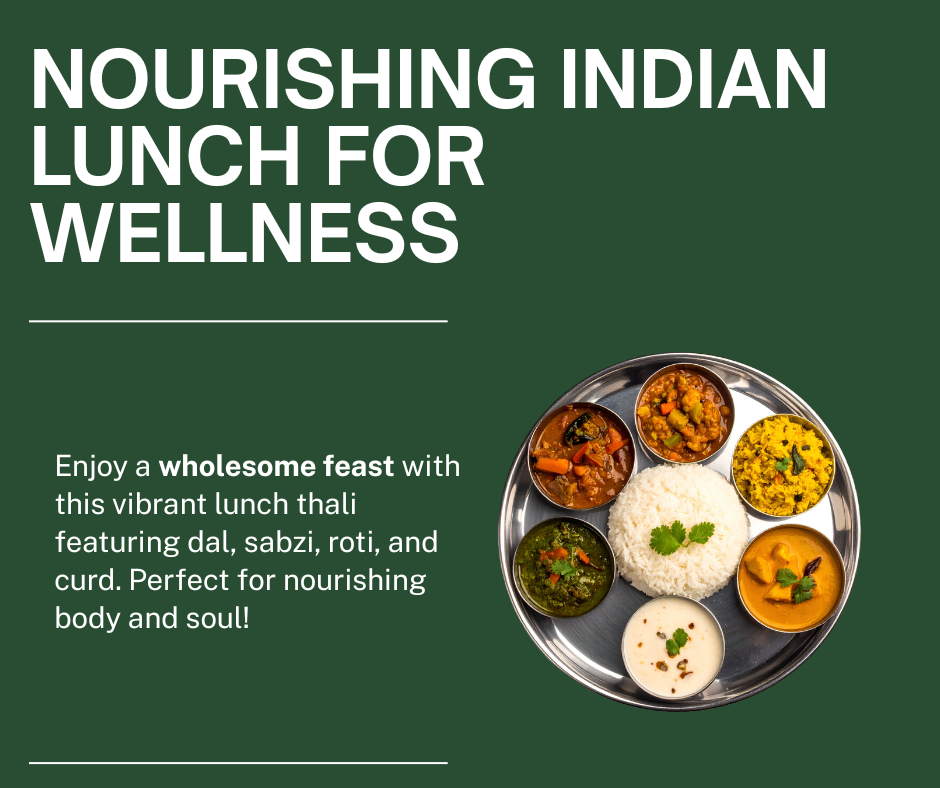
Indian food is perfectly designed for this. Dal, sabzi, roti or rice, a complete meal midday aligns with when your digestive fire is at its strongest.
Keep dinner light and early
Aim for dinner by 7:30–8pm where possible. This creates a natural 11–12 hour overnight fast, enough to allow gut rest and cellular repair without the hormonal stress of a 16-hour window.
Cut the morning chai on an empty stomach
Have one small thing before your chai, even a handful of soaked almonds or a banana. This one change alone can make a significant difference to insulin response over time.
Address the gut first
Many women pursuing IF are actually struggling with bloating, poor digestion, and sluggish metabolism, issues that originate in the gut, not in meal timing. Fix the gut, and weight loss, energy, and hormonal balance often follow naturally.
The Bottom Line
Intermittent fasting is not a diet revolution. It is one tool, and like any tool, it works brilliantly in the right hands and causes damage in the wrong ones.
The version of IF that’s circulating on Indian social media is largely borrowed from Western research, applied to male metabolic profiles, and completely ignoring the reality of Indian women’s lives, stress levels, and hormonal health.
You don’t need to fast for 16 hours to lose weight, balance your hormones, or feel good in your body.
You need a plan that is built around you, your hormones, your gut, your lifestyle, and your food.
Shradha | Nutritionist | Fuel It Right
Real Food. Real Results.
📅 Ready to understand what your body actually needs? Book a consultation:
calendly.com/shradhajp/30min
Whatsapp on +917057063984