Acidity, Antacids and the Lie We've Been Told
Antacids are one of the most overused medicines in India — and for most people, they are solving the wrong problem entirely. Dietitian Shradha breaks down what really causes acidity and what your Indian kitchen can do about it.
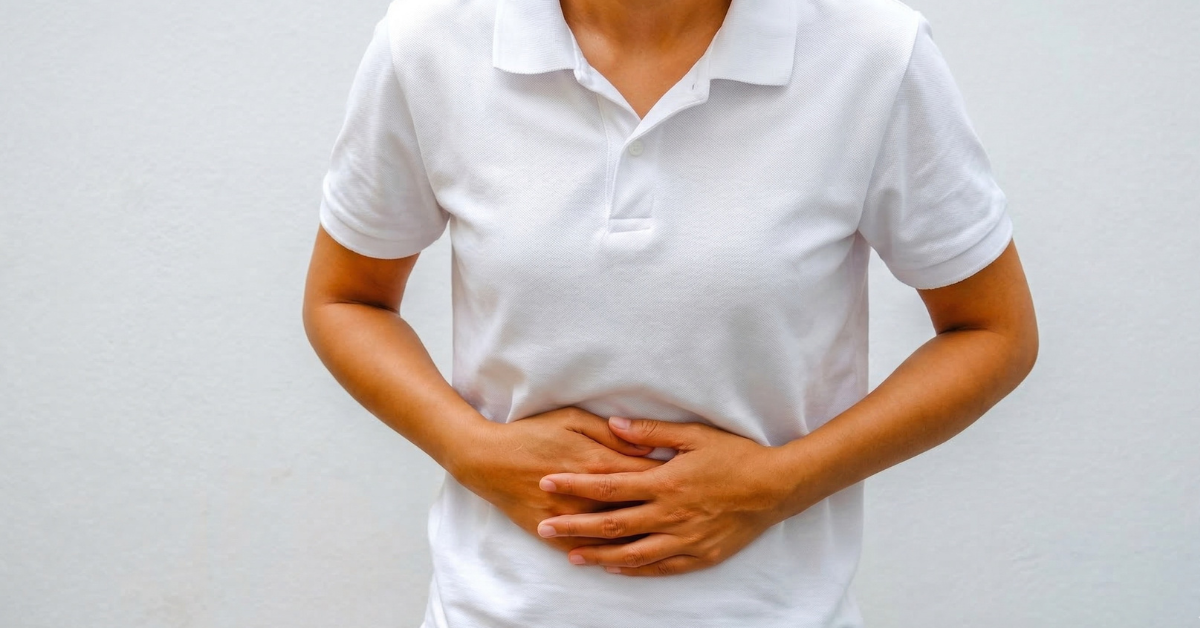
Why suppressing stomach acid is making your gut worse — and what to do instead.
You feel that familiar burn rise up after dinner. You reach for the antacid — the same one you've been taking for months, maybe years. It works. The burning stops. You feel better. So you keep taking it.
But here's what nobody tells you: that burning sensation you're suppressing? Your body is trying to tell you something. And the antacid isn't fixing it — it's silencing the signal while the real problem quietly gets worse.
I've seen this pattern in my clinic for almost 13 years. Men with Gut or IBS issues, women for PCOS or thyroid support, and when I dig deeper, almost all of them are on antacids. Some have been on them for years. Nobody ever told them there was another way.
Today I want to change that.
First — What Actually Is Acidity?
Before we talk about what goes wrong, let's understand what's supposed to happen.
Your stomach is meant to be highly acidic — with a pH between 1.5 and 3.5. This acid is not the enemy. It is essential for:
• Breaking down proteins into absorbable amino acids.
• Killing harmful bacteria, viruses, and pathogens in your food.
• Activating enzymes needed for digestion.
• Absorbing key nutrients including Vitamin B12, iron, calcium, and magnesium.
• Keeping the valve between your stomach and oesophagus (LES) closed tightly
That last point is critical. The lower oesophageal sphincter (LES) — the valve that prevents acid from rising into your food pipe — only closes properly when stomach acid is sufficiently strong. When acid is too LOW, the valve stays weakly closed, and whatever acid exists can escape upward.
💡 The Uncomfortable Truth: For the vast majority of people with acidity and reflux, the problem is not too much stomach acid. It is too little. The burning you feel is acid in the wrong place — not too much of it in the right place.
The Problem With Antacids
Antacids and acid-suppressing medications — the most common being PPIs (Proton Pump Inhibitors) like omeprazole, pantoprazole, and rabeprazole — work by neutralising or blocking stomach acid production.
In the short term, for an acute situation like a stomach ulcer or severe GERD, they have a medical role. But in India, they are being handed out like vitamins. Millions of people take them daily for years — for symptoms that are actually signs of low acid, not high acid.
What long-term antacid use actually does to your body:
1. Destroys nutrient absorption. Stomach acid is needed to absorb B12, iron, calcium, magnesium, and zinc. Long-term antacid use leads to deficiencies in all of these — which then cause fatigue, hair loss, weakened bones, nerve issues, and worsening thyroid function.
2. Destroys your gut microbiome. Stomach acid is your first line of defence against harmful bacteria. Suppress it, and pathogens that should be killed in the stomach make it to your intestines — disrupting your entire gut microbiome and triggering the very inflammation that leads to IBS, leaky gut, and hormonal chaos.
3. Creates a dependency cycle. When you suppress acid artificially, your body senses low acid and produces more acid-secreting cells to compensate. Stop the antacid suddenly and you get a rebound — even stronger acidity than before. This is why so many people feel they 'cannot live without' their antacid.
4. Worsens thyroid function. B12 and iron deficiencies caused by antacid use directly impair thyroid hormone production and conversion. If you are hypothyroid and on antacids, your thyroid medication may not even be absorbing properly.
5. Increases risk of gut infections. Studies have linked long-term PPI use to increased risk of C. difficile, SIBO (Small Intestinal Bacterial Overgrowth), and H. pylori recurrence — all serious gut conditions.
🔬 The Science Bit: A large-scale study published in the British Medical Journal found that long-term PPI use was associated with a 65% increased risk of developing stomach cancer in H. pylori-negative patients. Another study in JAMA linked PPIs to a 25% increased risk of early death from various causes including kidney disease, cardiovascular disease, and stomach cancer.
So What Is Really Causing Your Acidity?
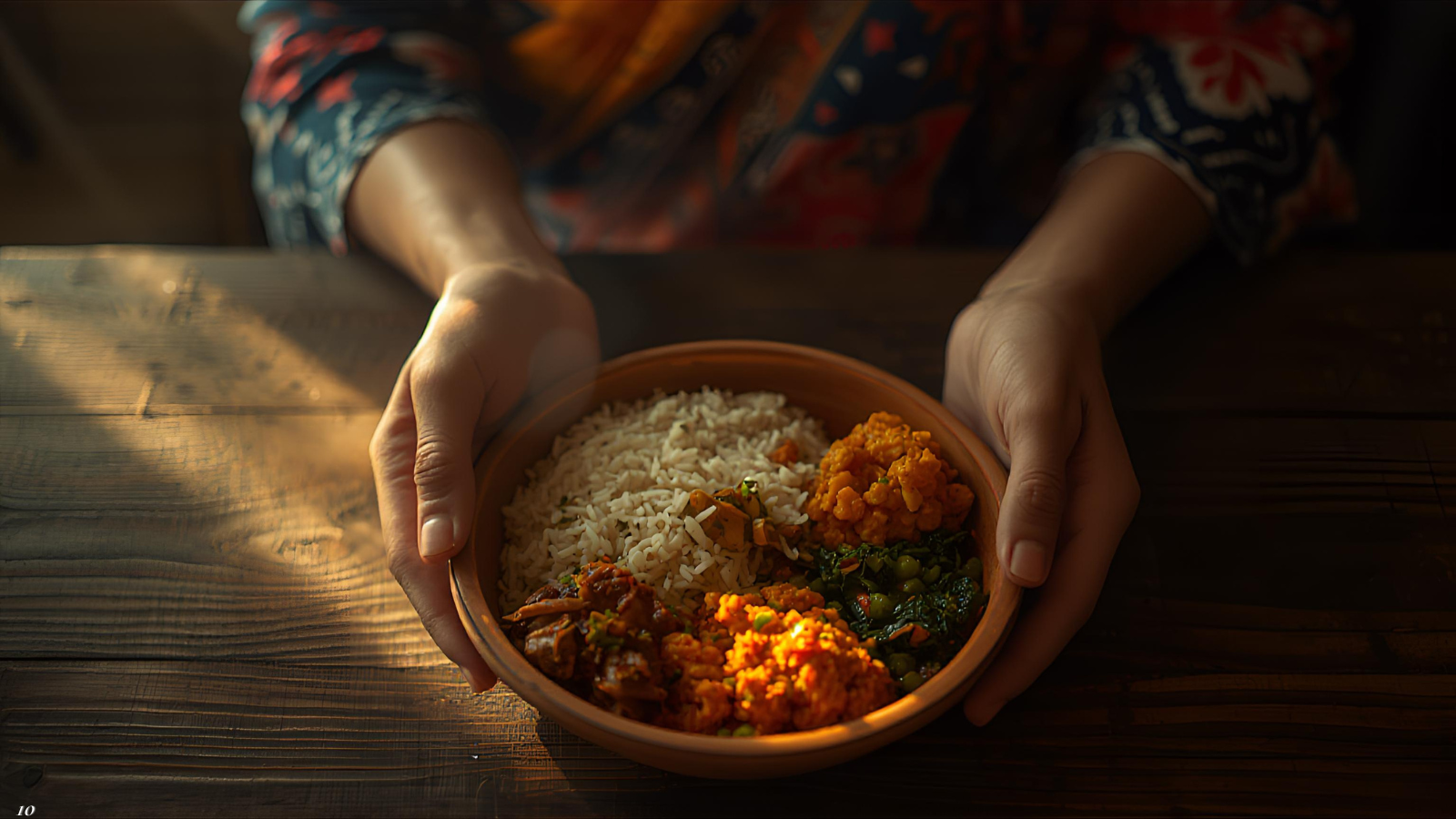
If low acid is often the culprit, what is causing low acid in the first place? Here are the most common root causes I see in clinic:
1. Chronic stress
Stress suppresses stomach acid production. The body prioritises survival mode (fight or flight) over digestion — so under chronic stress, your stomach literally stops producing enough acid to do its job. The result: undigested food ferments in the stomach, producing gas that pushes the LES valve open and allows whatever acid exists to splash upward.
2. Eating too fast
Digestion begins in the mouth. When you eat rapidly, you bypass the chewing and saliva stage — your stomach receives large, poorly broken-down pieces of food and has to work far harder. This overwhelms digestive capacity and leads to fermentation and gas buildup.
3. Overeating or eating late at night
A stomach that is too full has nowhere to go but upward. Eating large meals, especially within 2–3 hours of lying down, is one of the most common triggers of reflux — entirely mechanical, nothing to do with acid levels.
4. H. pylori infection
H. pylori is a bacterium that lives in the stomach lining and is extremely common in India. It directly damages the stomach lining and disrupts acid regulation. If you have persistent acidity that antacids are not resolving, an H. pylori test is worth doing.
5. Nutritional deficiencies
Zinc is specifically required for stomach acid production. Low zinc — extremely common in India, especially in vegetarians — directly leads to insufficient stomach acid. Other deficiencies including B vitamins and magnesium also impair digestive function.
6. Low fibre, high refined carbohydrate diet
Refined flour (maida), excess sugar, and processed foods feed the wrong bacteria in your gut, leading to fermentation, gas, and bloating — all of which increase pressure on the LES and worsen reflux.
Your Indian Kitchen Has the Answers
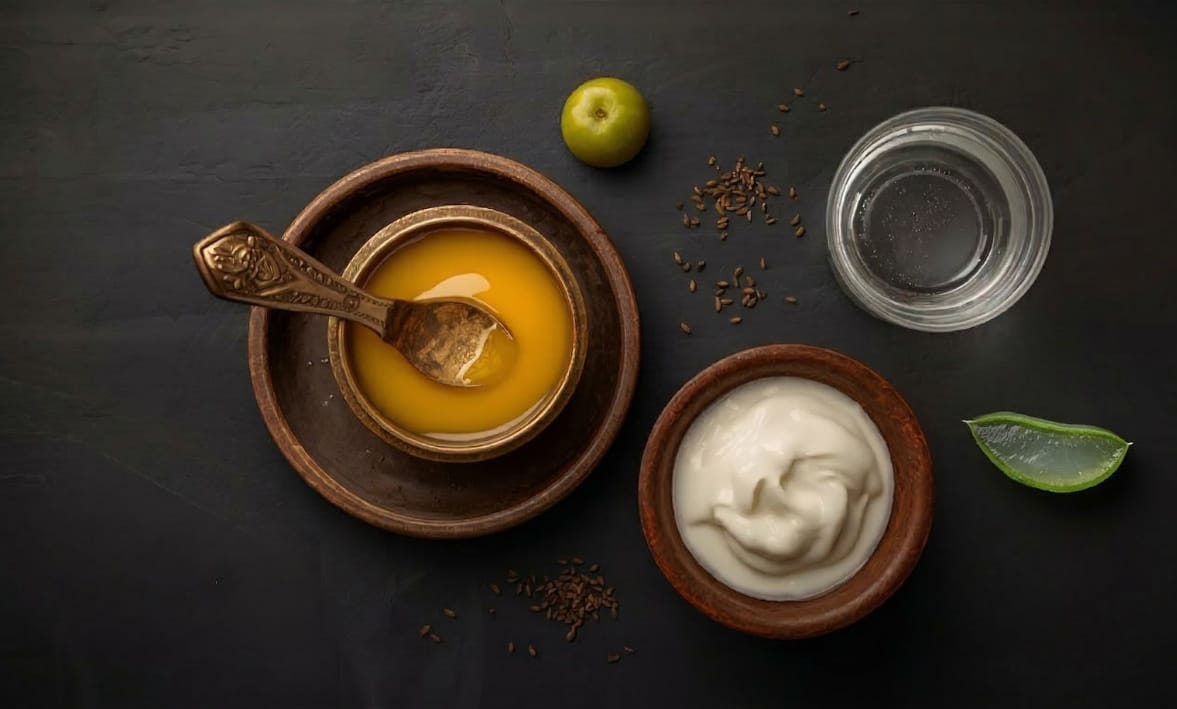
The good news: everything you need to heal acidity naturally is already sitting in your kitchen. These are not supplements or protocols — they are real foods with centuries of use and modern science backing them.
Add these:
• Jeera (cumin) water — stimulates digestive enzyme production and reduces gut fermentation. Sip a glass 20 minutes before meals.
• Saunf (fennel seeds) — relax the LES appropriately and reduce gas and bloating after meals. Chew a small teaspoon after eating.
• Ajwain (carom seeds) — thymol in ajwain directly stimulates gastric acid secretion and reduces fermentation. Mix with rock salt and warm water for acute relief.
• Aloe vera juice — the most soothing, anti-inflammatory drink for an irritated oesophagus and stomach lining. 30ml on an empty stomach in the morning.
• Coconut water — naturally alkaline, electrolyte-rich, and deeply soothing for an inflamed gut lining. Far more effective than any antacid for mild reflux.
• Homemade dahi — probiotics from curd restore the gut microbiome disrupted by both acidity and antacid use. Eat at lunch, not dinner.
• Ghee — butyrate in ghee actively heals the stomach lining and reduces inflammation. One teaspoon with dal-rice is therapeutic, not indulgent.
Remove these:
• Tea and coffee on an empty stomach — the most common trigger in India. Drink only after eating something, never first thing.
• Refined flour (maida) — white bread, biscuits, pav, pizza base — all ferment rapidly and trigger bloating and reflux.
• Cold water with meals — dilutes digestive enzymes and slows acid production; room temperature or warm water always.
• Large meals — split your meals into smaller, more frequent portions; a full stomach is a refluxing stomach.
5 Habit Changes That Work Better Than Antacids
1. Eat sitting down, slowly, without your phone. Mindful eating activates the parasympathetic nervous system — your 'rest and digest' mode. This single change can reduce reflux significantly within a week.
2. Never eat within 3 hours of sleeping. Give gravity time to do its job. Your last meal should be light and at least 3 hours before you lie down.
3. Elevate the head of your bed by 15–20cm. If nighttime reflux is a problem, gravity is your friend. A simple wedge pillow or books under the headboard can eliminate nighttime symptoms entirely.
4. Manage stress before you manage your diet. No dietary change will fully resolve acidity if you are in chronic stress. Even 10 minutes of diaphragmatic breathing before meals can dramatically improve digestion.
5. Test, don't assume. If you have been on antacids for more than 3 months, ask your doctor to test for H. pylori, check your B12, iron, zinc, and magnesium levels. You may be treating the wrong problem entirely.
When to Take Acidity Seriously
Most acidity is lifestyle-driven and fully reversible with the changes above. However, see your doctor if you have:
• Difficulty or pain when swallowing.
• Unexplained weight loss alongside reflux.
• Blood in vomit or black/tarry stools.
• Persistent symptoms despite dietary changes after 4–6 weeks.
• Reflux that consistently wakes you from sleep.
These could indicate conditions including Barrett's oesophagus, peptic ulcers, or in rare cases, oesophageal cancer — all of which require medical evaluation.
The Bottom Line
Acidity is one of the most over-medicated conditions in India. Antacids are being used as a daily crutch for a problem that in most cases has nothing to do with too much acid — and everything to do with how we eat, how we live, and how inflamed our gut has become.
Suppressing stomach acid long-term is not a solution. It is a trade — short-term comfort for long-term damage to your nutrition, your gut microbiome, your thyroid, and your overall health.
Your kitchen already has the medicine. Your habits are the prescription. And your body — given the right conditions — knows exactly how to heal.
Stop silencing the signal. Start listening to it.
Ready to get to the root of your gut issues?
If you've been on antacids for months or years and want a real, food-first plan to heal your gut — I work with women across India online. Book a personalised nutrition consultation and let's start from the root.
👉 Book here: https://calendly.com/shradhajp/30min
Have questions? Drop me a message on WhatsApp — I answer personally. 💚👉 WhatsApp: https://wa.me/917057063984
About the Author
Shradha is a nutritionist with 13 years of experience and the founder of Fuel It Right. She specialises in gut health, hormonal nutrition, and practical Indian dietary solutions for modern lifestyle conditions.